Greening the Atolls: The Pervasive Benefits of Planting Trees in Kiribati
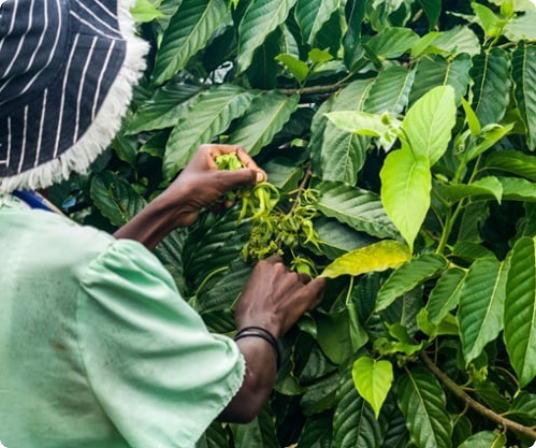
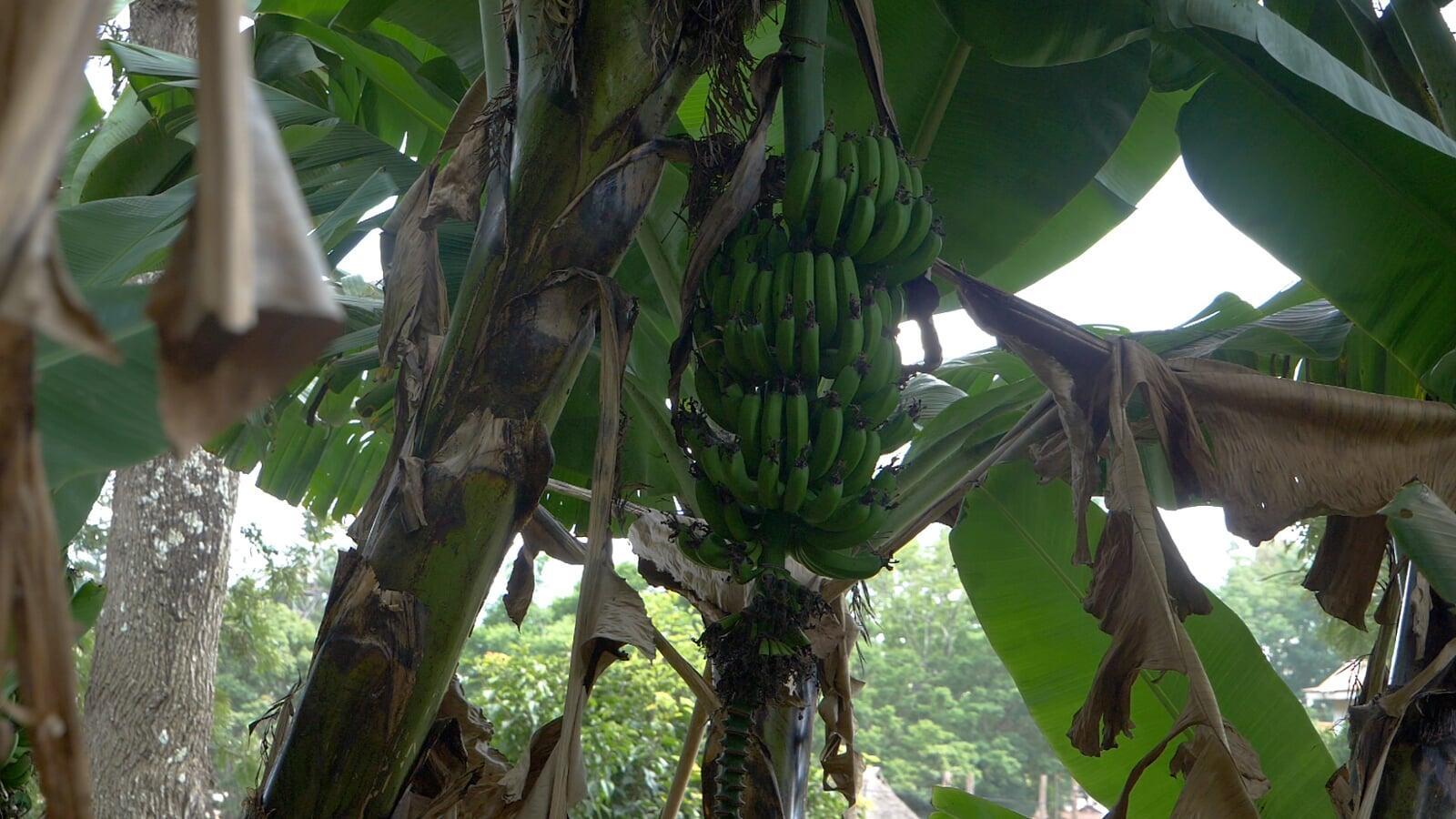
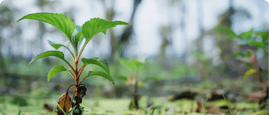
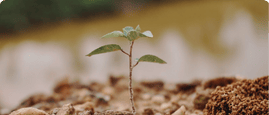
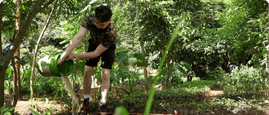
In the picturesque nation of Kiribati, a breathtaking archipelago of atolls and reef islands in the central Pacific Ocean, the delicate balance of nature is under threat. Rising sea levels, erosion, and changing weather patterns pose significant challenges to this island nation and its inhabitants. The solution to these challenges, however, can be as simple as planting a tree. In this article, we'll explore the numerous benefits of planting trees in Kiribati and how you can be a part of this important mission by applying for a grant from our organisation.
The Urgent Need for Tree Planting in Kiribati:
How You Can Make a Difference: Apply for a Grant
Impact
Article
5 MIN READ
Article
5 MIN READ
Article
5 MIN READ
Article
5 MIN READ
Article
5 MIN READ
Article
5 MIN READ
Article
5 MIN READ
Article
5 MIN READ
Article
5 MIN READ
Article
5 MIN READ
Article
5 MIN READ
Article
5 MIN READ
Article
5 MIN READ
Article
5 MIN READ
Article
5 MIN READ
Article
5 MIN READ
Article
5 MIN READ
Article
5 MIN READ
Article
5 MIN READ
Article
5 MIN READ
Article
5 MIN READ
Article
5 MIN READ
Article
5 MIN READ
Article
5 MIN READ
Article
5 MIN READ
Article
5 MIN READ
Article
5 MIN READ
Article
5 MIN READ
Article
5 MIN READ
Article
5 MIN READ
Article
5 MIN READ
Article
5 MIN READ
Article
5 MIN READ
Article
5 MIN READ
Article
5 MIN READ
Article
5 MIN READ
Article
5 MIN READ

Article
5 MIN READ

Article
5 MIN READ

Article
5 MIN READ

Article
5 MIN READ

Article
5 MIN READ

Article
5 MIN READ

Article
5 MIN READ

Article
5 MIN READ

Article
5 MIN READ

Article
5 MIN READ
GiftTrees is FREE
GiftTrees simply adds a small amount to your diner's bill. This low addition guarantees the planting of a life-changing GiftTree in a developing country.
Your diners can choose to remove this from their bill should they wish and as a restaurant there is zero-cost for becoming a certified GiftTrees Restaurant.